
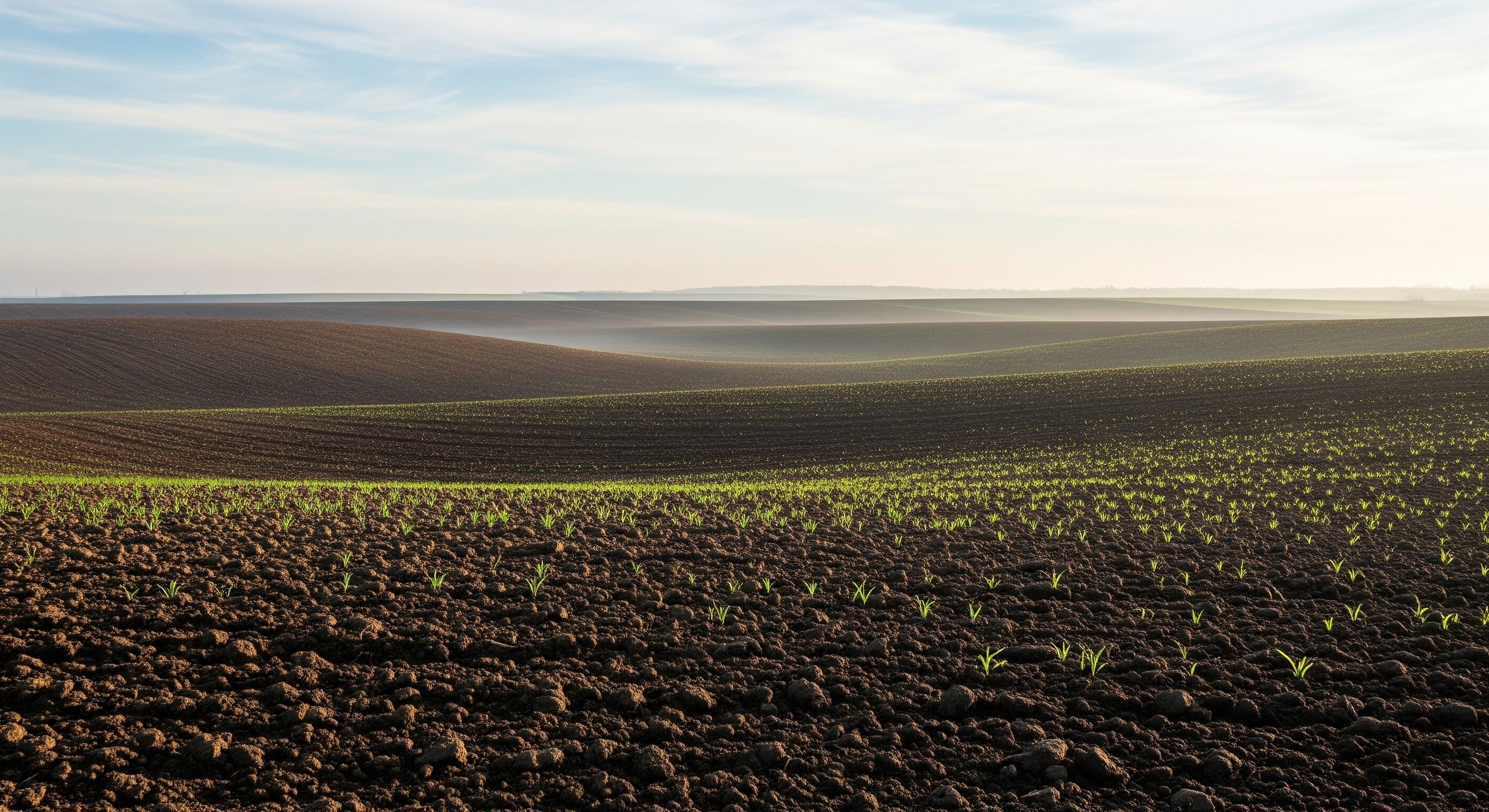
There is a particular kind of restlessness that shows up not in the cold loneliness of winter but just on the other side of it in the first days of spring. You did the hard thing. You slowed down, you let the ground lie fallow, you resisted the pull toward frantic productivity. Now spring is here, and you can feel it in your chest like a pressure looking for release. The days are longer. The air has changed. Something in you wants to move. That feeling is not the problem. The problem is what we tend to do with it.
The same culture that weaponized January against us has a spring version of the same trap. It is softer and easier to miss, because it wears better clothes. It calls itself momentum. Fresh starts. New seasons. Suddenly all that hard-won stillness feels like something to escape rather than something that prepared you. We go from fallow ground to full sprint without stopping to ask whether the soil is actually ready, or whether we are just reacting to the calendar again.
Give a read through Joel 2 and you will see it is not a spring devotional. It is a restoration text, and the difference matters. By the time you reach the turning point in verses 21 through 27, Israel has come through something devastating. The locust plague that fills the earlier chapters was not a minor setback. It was total agricultural destruction, which in an ancient agrarian society meant something close to total societal collapse. What God promises through Joel is not a clean slate. It is a return. "I will restore to you the years that the swarming locust has eaten" (Joel 2:25). That word, restore, carries the memory of what was lost. This is not a fresh start. It is a fulfillment of what the dormant season was quietly holding.
That distinction forms you if you let it. A fresh start is something you manufacture. Restoration is something God does to ground that has been through something real. The winter always contains a promise: spring is coming, the resurrection ensures it. What Joel shows us is that the spring God brings is not the same as the spring the culture sells. God's spring arrives with history in it. The soil remembers the locusts and it remembers the fallow year, and both of those things are part of what makes the coming harvest possible.
Which means there is a right pace to emergence that has nothing to do with how ready you feel.
A farmer who honored the Sabbath year in Leviticus 25 did not then double his output the following year to compensate for what wasn't produced. He worked the ground faithfully, trusted that the rest had done what rest is supposed to do, and waited for the harvest in its time. The goal was never to recoup the loss. The goal was to work replenished soil the right way. There is a version of spring that looks spiritually energized but is actually just guilt about the winter dressed up as motivation. It produces the same exhaustion by a different path.
Ecclesiastes 3 is blunt about this: there is a time for everything, and the seasons do not apologize for their sequence. A tree that barely survived a hard winter does not immediately produce at full capacity, and forcing it to try would not be faithfulness, it would be foolishness. The question worth sitting with as the ground breaks open is not what can I finally start now, but what did the winter actually prepare me for. Those are not the same question, and they do not lead to the same spring.
What makes all of this more than a long agricultural metaphor is the same thing that ensures the next season, the resurrection of Jesus. It gives us complete assurance of the seasonal rhythm. The women came to the tomb on the third day and found the work already done. Restoration happened in the quiet, before anyone was watching, before anyone had a strategy for it. The disciples had not figured out a plan for post-resurrection life. They showed up to a sealed tomb and found an open one. That is the pattern underneath every real spring. The ground breaks open not because we finally got our act together, but because the God who commands the winter is the same God who commands the thaw.
So what does faithful spring actually look like? Not a burst of spiritual productivity. Not a new reading plan started in guilt. Not the frantic attempt to make up for what felt like lost time. It looks more like a farmer walking his rested field before he does anything else, paying attention to what the ground is telling him, noticing what is already starting to grow without his help.
That is the practical place to start. Before you add anything to your life this season, spend a few days in honest inventory. Not a self-improvement audit, just attention. What did the winter thin out that you do not actually need back? What are you reaching for out of habit rather than genuine leading? What feels like it is already quietly growing that you have not named yet? Write it down if that helps. Bring it to God in the plainest language you have. Ask for the wisdom to work the right ground at the right pace rather than just working hard because the season changed.
Spring is not the reward for surviving winter. It is the continuation of the same story, told by the same Author, moving toward the same harvest. Trust the ground. Trust the One who tended it when you could not see anything happening. The soil remembers what you cannot.
Loading comments…